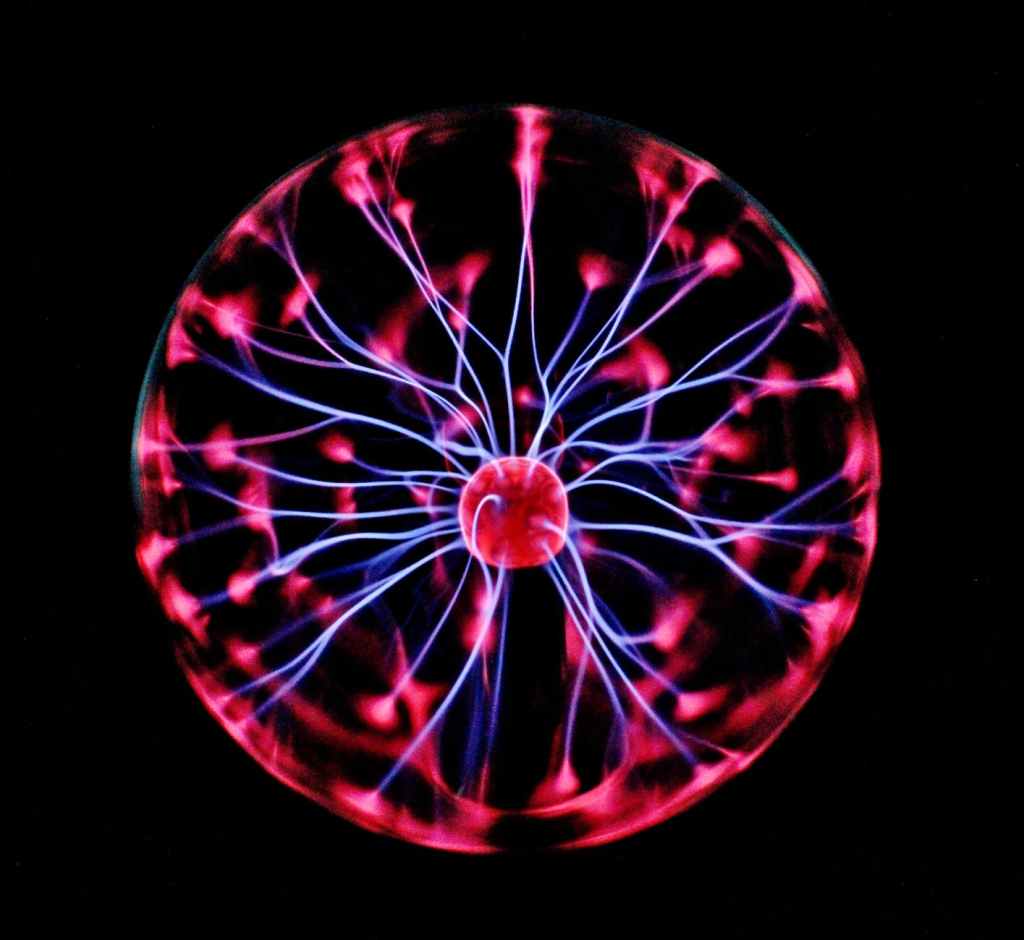
“Why knowing about quantum applications? It is still far from our life.” People always think the quantum is just a theory that is far from actual daily life. However, quantum mechanics is already part of life and has been benefitting us. Here are some technologies that the theory of quantum mechanics predicts a phenomenon or suggests the possibility of a technology that later generations have discovered or realized.
1. Magnetic Resonance Imaging
Nuclear magnetic resonance was first realized in 1946 by Felix Bloch and Edward Purcell, who won the 1952 Nobel Prize in physics. At present, nuclear magnetic resonance technology in chemistry, biology, materials, exploration, and other fields has a very wide range of applications, but the most widely known is certainly in the medical application. The basic principle of nuclear magnetic resonance (NMR) is that different spin orientations of atomic nuclei produce energy level splitting under a strong magnetic field, which can absorb electromagnetic radiation of a specific frequency in resonance. Nuclear magnetic resonance imaging (MRI) is a new medical imaging technology using the principle of NUCLEAR magnetic resonance. Compared with other auxiliary examination methods, MRI has the advantages of multiple imaging parameters, fast scanning speed, high tissue resolution, and clearer images, which can help doctors “see” the early lesions that are not easily detected, and has become a powerful tool for the early screening of tumors, heart diseases, and cerebrovascular diseases.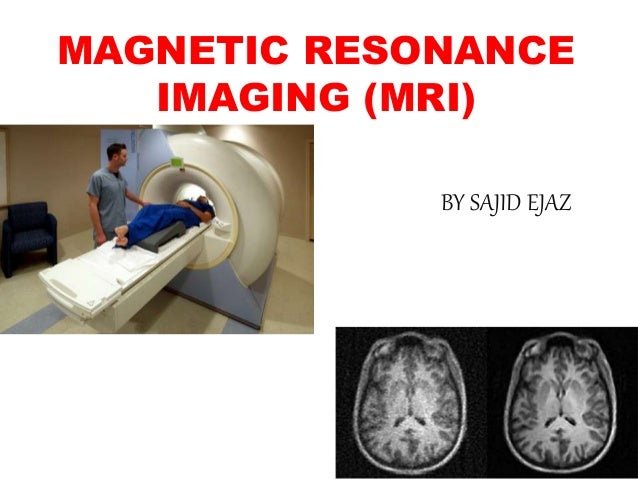
2. Laser
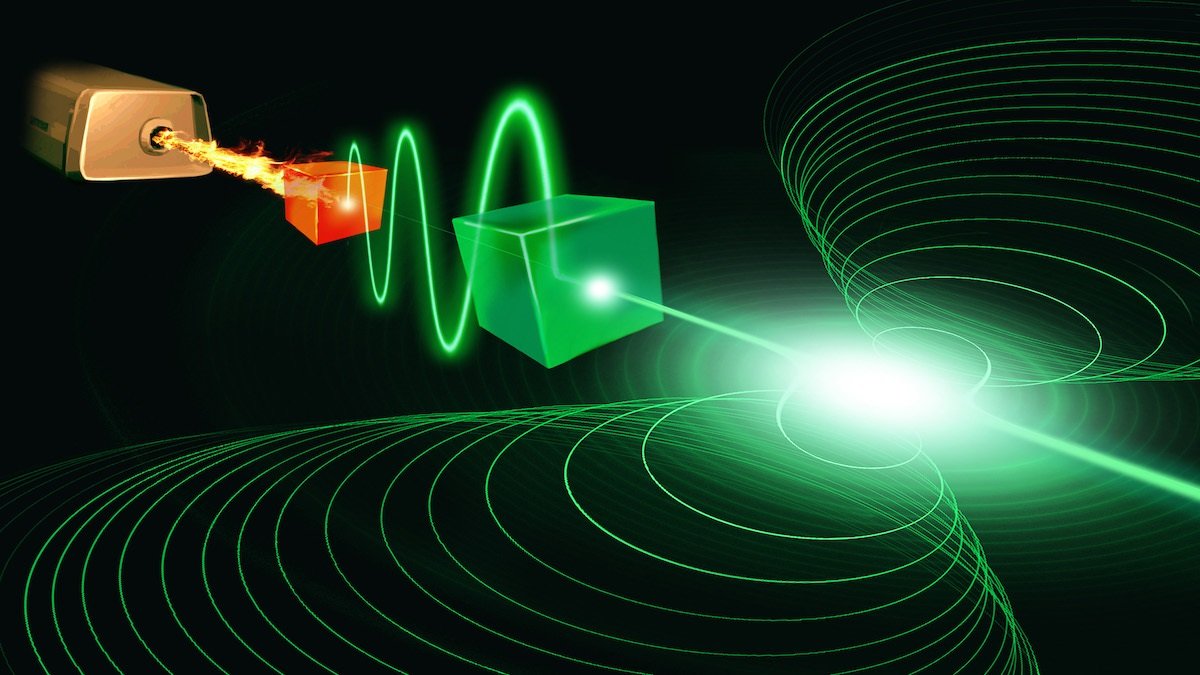
Laser welding, laser cutting, laser guidance, laser ranging, laser disc, laser freckle, laser correction, laser weapons…… Lasers are so widely used. So much so that when it comes to the greatest technological invention of the 20th century, the laser is in a three-way race. LASER (Light Amplification by Stimulated Emission of Radiation) is used to enhance Light through Stimulated Radiation. The principle of laser is actually in its name. Lasers were first predicted by Albert Einstein in 1917. The technical implementation was 43 years behind the theory. The first laser was built in 1960. Charles Townes, N. G. Basov, and A. M. Prokhorov won the 1964 Nobel Prize in Physics for the invention of the laser. Without quantum mechanics, there would have been no (mature) theory of stimulated radiation, and the laser certainly would not have been invented. The laser, therefore, is a technology that “could not have been invented without quantum mechanics”.
3. Cesium Beam Atomic Clock
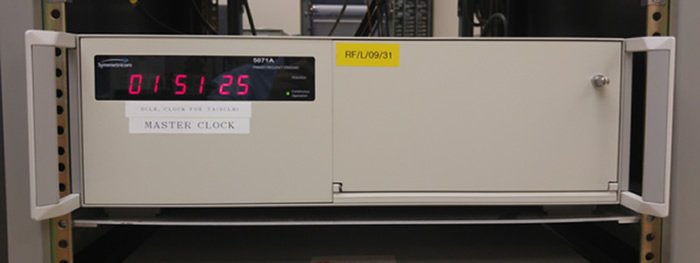
The electromagnetic wave emitted by the electrons inside the cesium atom as they jump between two energy levels serves as a standard to control the calibration of the electronic oscillator, and thus the clock’s movement. The clocks are so stable that the best cesium atomic clocks reach 20 million years with a difference of one second. In the world, the transition frequency of the cesium atomic clock is widely used as the standard of time-frequency, which is widely used in astronomy, geodesy, and national defense construction. In 1967 the International Metrology Conference changed the definition of a second from an astronomical second to an atomic second. At the end of the last century, the United States successfully developed the GPS global satellite positioning system, in the military, scientific research, measurement, aviation, aerospace, communications, meteorology, resources, environment, geodetic survey in various fields, playing a huge role. The cesium fountain clock is the basic support technology for GPS. Atomic time, and traced to the Cesium fountain clock of the American Institute of Standard Technology (NIST).
There are some other quantum mechanic applications like semiconductors, resonant tunneling diodes(RTD), cryptography, superconducting, etc. The quantum theories are really close to the real-life that it sets the time for our day. We better watch out!
 Home
Home 
Leave a comment